Regulatory pressure in the healthcare industry continues to increase. Federal agencies, state regulators, and accreditation bodies are conducting more frequent and more detailed audits, leaving little room for error. Healthcare organizations must now manage compliance alongside patient care, staffing challenges, and operational demands.
Audit readiness matters more than ever because audits are no longer rare events. They are ongoing risks that can impact finances, reputation, and service delivery. Many organizations find themselves reacting to audit notices instead of staying prepared.
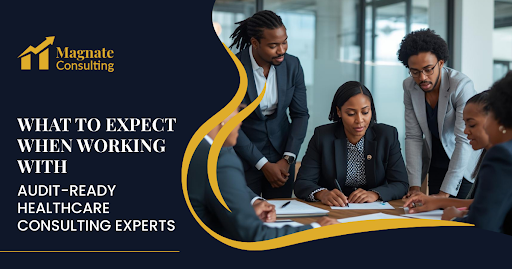
This is where experienced healthcare consulting experts become valuable partners. Supported by structured healthcare compliance consulting, these experts help organizations reduce exposure, stay organized, and approach audits with clarity instead of stress.
Understanding Audit-Ready Healthcare Consulting
What Does “Audit-Ready” Mean in Healthcare
Being audit-ready in healthcare means maintaining consistent compliance across clinical, administrative, and financial operations. It applies to how services are delivered, how records are maintained, and how billing and privacy standards are followed.
Audit readiness includes:
- Accurate and timely clinical documentation
- Compliant billing and coding practices
- Secure handling of patient information
- Clear and current policies and procedures
Key regulatory bodies include CMS, state health departments, and accreditation organizations. Unlike reactive audit preparation, which begins after an audit notice is received, proactive compliance focuses on staying prepared at all times.
This approach helps organizations move away from last-minute fixes and toward steady, dependable systems.
Who Are Audit-Ready Healthcare Consulting Experts
These experts are professionals with deep knowledge of healthcare regulations and audit processes. Their backgrounds often include compliance leadership, regulatory advisory roles, or hands-on audit experience across multiple healthcare settings.
They typically work with hospitals, behavioral health providers, outpatient clinics, home health agencies, and group homes. Many also support organizations offering healthcare startup consulting, particularly those preparing for licensing, first-time audits, or early-stage growth.
Unlike general consultants, audit-ready specialists focus on identifying risk, improving systems, and preparing teams for real-world audit conditions.
Initial Engagement and Assessment Process
Pre-Engagement Discovery and Goal Setting
The consulting process begins with understanding the organization’s current challenges. This phase includes discussions with leadership to identify risks, compliance concerns, and operational goals.
Key steps often include:
- Reviewing previous audits and findings
- Identifying high-risk service areas
- Defining scope, timelines, and priorities
- Establishing clear success benchmarks
This alignment ensures expectations are realistic and focused from the start.
Comprehensive Compliance Gap Analysis
A detailed gap analysis follows the initial discussions. Consultants assess how current practices compare to regulatory requirements.
This review often covers:
- Existing policies and procedures
- Documentation and record management
- Billing, coding, and reimbursement practices
- Areas vulnerable to compliance findings
The result is a clear roadmap showing where improvements are needed and which risks should be addressed first.
Regulatory Standards and Frameworks They Address
Federal and State Healthcare Regulations
Audit-ready healthcare consulting experts help organizations manage complex regulatory requirements, such as:
- HIPAA privacy and security rules
- CMS and Medicare participation standards
- Stark Law and Anti-Kickback Statute obligations
Rather than overwhelming teams, consultants focus on what applies to the organization’s specific services and payer mix.
Accreditation and Quality Standards
Many providers must also meet accreditation and quality expectations. Consulting support often includes guidance related to:
- Joint Commission standards
- OSHA workplace safety requirements
- Quality reporting and value-based care measures
Meeting these standards supports both audit readiness and overall service quality.
Process Improvements and Operational Alignment
Policy Development and Standardization
Clear and current policies are essential for audit readiness. Consultants work with organizations to:
- Update compliance manuals
- Create consistent documentation workflows
- Ensure daily operations align with written policies
This consistency helps staff follow expectations and reduces audit findings tied to process gaps.
Internal Controls and Risk Mitigation Strategies
Audit-ready healthcare consulting also focuses on preventing issues before they escalate. This includes:
- Fraud, waste, and abuse safeguards
- Revenue cycle integrity checks
- Ongoing internal monitoring practices
Strong internal controls reduce exposure and improve organizational stability.
Staff Training and Organizational Preparedness
Compliance Education and Training Programs
Staff understanding plays a major role in audit outcomes. Consultants support teams through:
- Role-specific compliance training
- Documentation and coding guidance
- Privacy and security awareness education
Well-prepared staff respond more confidently during audits and inspections.
Building a Culture of Audit Readiness
Audit readiness works best when it becomes part of everyday operations. This requires leadership involvement, accountability, and open communication.
Consultants help organizations build:
- Leadership ownership of compliance
- Shared responsibility across departments
- Clear communication channels
A culture of readiness reduces fear and improves consistency.
Technology and Data Support
Leveraging Healthcare Compliance Technology
Technology can simplify audit preparation and response. Consultants often assist with:
- Audit tracking and management tools
- EHR configuration to support compliance
- Secure documentation and reporting systems
These tools help teams work more efficiently and respond faster when audits occur.
Data Analytics and Reporting Insights
Data visibility strengthens compliance oversight. Consulting support may include:
- Identifying documentation or billing trends
- Monitoring compliance indicators
- Reviewing performance benchmarks
This insight allows leadership to address concerns early.
Mock Audits and Readiness Testing
Conducting Internal and External Mock Audits
Mock audits are a key part of audit-ready healthcare consulting. These exercises simulate real audits by reviewing documentation, interviewing staff, and testing workflows.
Mock audits help teams:
- Identify weaknesses before regulators do
- Practice responding to audit questions
- Improve comfort with audit processes
Audit Response Planning
Consultants also help organizations plan for real audit scenarios by:
- Developing corrective action plans
- Coordinating regulator communication
- Managing documentation timelines
Clear planning reduces confusion and delays.
Ongoing Support and Continuous Compliance
Post-Audit Support and Remediation
After audits, consultants assist with:
- Addressing findings and deficiencies
- Implementing corrective actions
- Monitoring improvements over time
This support reduces the risk of repeat findings.
Long-Term Compliance Partnerships
Many organizations choose ongoing audit-ready healthcare consulting to maintain readiness year-round. This long-term approach often includes regular risk reviews, policy updates, and advisory guidance.
In this phase, healthcare compliance consulting plays an important role in keeping organizations aligned as regulations and operations evolve.
Key Benefits of Working With Healthcare Consulting Experts
Organizations working with experienced healthcare consulting experts often experience:
- Lower compliance risk and fewer penalties
- Better operational consistency
- Greater confidence during audits
- Improved trust with regulators and partners
These benefits extend beyond audits and support long-term organizational stability.
How to Choose the Right Audit-Ready Healthcare Consultant
Evaluating Experience and Industry Expertise
When selecting a consultant, look for experience directly tied to healthcare audits, regulatory standards, and operational compliance. Firms with a strong track record in healthcare startup consulting are often well-suited to guide both new and established providers.
Questions to Ask Before Hiring
Before making a decision, ask:
- How do you approach audit readiness?
- What reporting and tracking methods do you use?
- Do you provide ongoing support as needs change?
Clear answers help ensure a good fit.
Conclusion
Working with audit-ready healthcare consulting experts gives healthcare organizations a structured, practical approach to compliance and audit preparation. From early assessments to long-term support, these experts help providers stay prepared without unnecessary pressure.
Proactive audit readiness is essential in today’s healthcare environment. Partnering with the right consulting experts allows organizations to focus on patient care while staying confident, organized, and prepared for audits ahead.
If your organization wants clear guidance and steady compliance support, Magnate Consulting is here to help. Connect with our team today to build confidence, reduce audit risk, and stay prepared year-round.
FAQs
1. What does this type of healthcare consulting include?
It includes compliance assessments, policy review, staff preparation, mock audits, and ongoing support to help healthcare organizations stay prepared for regulatory reviews.
2. When should a healthcare organization hire consulting experts for audit preparation?
Organizations often seek support before scheduled audits, after receiving findings, during periods of growth, or when internal teams need additional compliance guidance.
3. Can this type of consulting help after an audit finding?
Yes. Experienced healthcare consultants help address deficiencies, develop corrective action plans, and reduce the risk of repeat findings during future audits.
4. Is this type of consulting only for large healthcare organizations?
No. These services support organizations of all sizes, including small practices, behavioral health providers, and growing healthcare startups.