Healthcare audits can feel overwhelming, especially when licensing deadlines, inspections, or renewals are approaching. Most audit failures are not caused by a lack of effort but by gaps in documentation, inconsistent processes, or unclear staff responsibilities. These issues often go unnoticed until an inspector identifies them.
Mock audit preparation in healthcare helps organizations identify risks early, correct issues proactively, and approach audits with confidence. Instead of reacting under pressure, healthcare providers gain a clear understanding of their readiness and a structured path toward compliance.
This guide explains how mock audit preparation works, what it includes, and why it plays a critical role in healthcare compliance.
What Is Mock Audit Preparation in Healthcare?
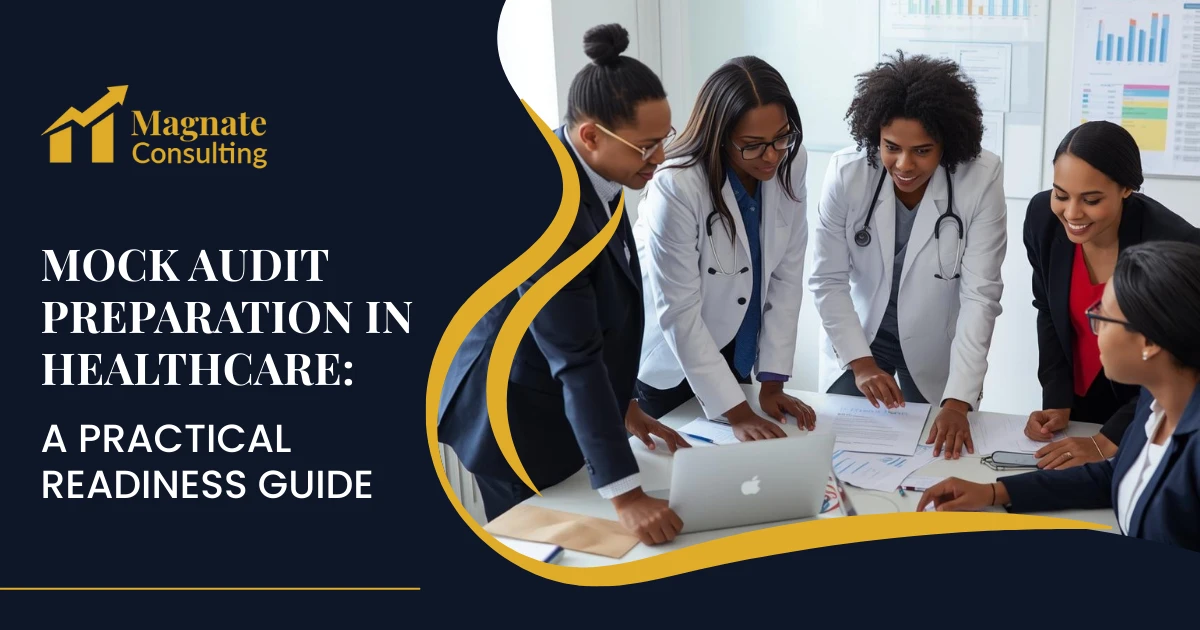
Mock audit preparation in healthcare is a structured review designed to mirror an actual regulatory or licensing audit. It evaluates documentation, workflows, staff readiness, and compliance practices using the same standards applied during formal inspections.
Unlike internal spot checks, mock audits follow a disciplined process and focus on identifying gaps before regulators do. The goal is not to “pass” the mock audit but to expose weaknesses early so they can be corrected properly.
This approach allows healthcare organizations to prepare in a controlled environment without penalties or enforcement risk.
Why Healthcare Organizations Struggle During Audits
Audit challenges rarely stem from one major failure. Instead, they usually result from a combination of small but recurring issues across operations.
Common causes include:
- Outdated or incomplete policies
- Inconsistent documentation practices
- Staff uncertainty during interviews
- Missing training or credential records
- Weak incident reporting processes
- Daily workflows that do not match written procedures
Mock audit preparation in healthcare brings these problems into focus before they affect audit outcomes.
What a Mock Audit Reviews
A thorough mock audit reviews both documentation and real-world operations. While the scope varies by organization, most healthcare mock audits include the following areas.
Policies and Procedures
- Accuracy and completeness
- Alignment with current regulations
- Staff familiarity and use
Staff Credentials and Training
- Licensing and certifications
- Orientation and ongoing training records
- Role clarity and accountability
Client or Patient Records
- Proper documentation and approvals
- Timeliness and consistency
- Record retention practices
Incident Reporting and Risk Management
- Reporting workflows
- Follow-up documentation
- Corrective action tracking
Facility and Operational Readiness
- Safety practices
- Workflow consistency
- Compliance with operational standards
This review highlights where systems break down under real conditions.
Step-by-Step Mock Audit Preparation Process
Effective mock audit preparation in healthcare follows a structured process rather than a checklist-only review.
Pre-Audit Documentation Review
Policies, procedures, and records are reviewed to confirm alignment with regulatory requirements.
Workflow and Process Evaluation
Daily practices are assessed against documented procedures to identify inconsistencies or informal workarounds.
Staff Interview Readiness
Key team members are evaluated on their understanding of roles, responsibilities, and compliance expectations.
Compliance Gap Identification
Findings are documented clearly, with risks prioritized based on severity and impact.
Corrective Action Planning
Actionable steps are developed to address gaps before the real audit occurs.
This process turns preparation into a practical improvement effort.
Benefits of Mock Audit Preparation for Healthcare Providers
Organizations that invest in mock audit preparation experience benefits beyond inspection readiness.
Key advantages include:
- Reduced audit stress
- Clear visibility into compliance status
- Stronger documentation practices
- Improved staff confidence
- Fewer last-minute corrections
- Better long-term compliance stability
Mock audits create clarity and reduce uncertainty.
When Should You Schedule a Mock Audit?
Timing plays a critical role in audit readiness. Mock audits are most effective when scheduled proactively.
Common scenarios include:
- Before initial licensing inspections
- Prior to license renewal reviews
- After receiving compliance citations
- During growth or expansion
- Following leadership or staffing changes
Early preparation allows time to correct issues properly.
Mock Audit vs Real Audit: Key Differences
Understanding the distinction helps teams approach mock audits with the right mindset.
Mock Audit
- No regulatory penalties
- Flexible scheduling
- Learning-focused
- Encourages correction
Real Audit
- Regulatory consequences
- Fixed timelines
- Formal enforcement
- Limited opportunity for adjustment
Mock audits provide space to prepare without risk.
Who Benefits Most From Mock Audit Preparation?
Mock audit preparation in healthcare is especially valuable for:
- Healthcare providers
- Human services organizations
- Group homes and care facilities
- Multi-location operations
- Regulated service-based organizations
Any organization subject to licensing or inspections benefits from proactive readiness.
How Professional Consulting Improves Audit Readiness
Internal teams often struggle to evaluate their own compliance objectively. Professional support adds structure and experience to the process.
This often includes internal audit consulting healthcare, where consultants conduct objective reviews and identify risks before formal inspections.
Professional support also helps organizations build systems that support long-term compliance rather than short-term fixes.
Supporting Long-Term Compliance Through Strong Systems
Mock audit findings frequently reveal deeper operational issues. In many cases, organizations benefit from internal audit consulting healthcare to address recurring gaps across documentation, workflows, and accountability.
This approach supports year-round compliance rather than last-minute preparation.
Building Audit-Ready Operations
Organizations focused on long-term stability often take a broader approach that includes audit-ready healthcare consulting. This means building workflows, documentation, and training systems that remain consistent even as staff or regulations change.
Mock audits are a key component of long-term compliance support, helping organizations maintain preparedness instead of reacting under pressure.
Measuring Success After Mock Audit Preparation
Effective preparation includes clear indicators of progress, such as:
- Fewer audit findings
- Improved documentation consistency
- Faster response to audit requests
- Clear role accountability
- Stronger staff confidence
These outcomes show that preparation efforts are working.
Mock Audit Preparation as an Ongoing Practice
Healthcare regulations and operations continue to change. Mock audits should be part of an ongoing readiness cycle rather than a one-time event.
Ongoing preparation supports stability, reduces risk, and strengthens operational consistency over time.
Final Thoughts
Mock audit preparation in healthcare gives organizations clarity before inspections, reduces compliance risk, and strengthens daily operations. By identifying gaps early, healthcare providers gain control over audit outcomes instead of reacting under pressure.
With the right preparation and guidance, compliance becomes a structured process rather than a recurring concern.
If your organization is preparing for an inspection or wants stronger compliance systems, Magnate Consulting provides structured mock audit preparation to help healthcare teams reduce risk and approach audits with confidence. Schedule a consultation today.
FAQs
1. What is mock audit preparation in healthcare?
It is a structured review that mirrors a real audit, helping healthcare organizations identify compliance gaps and prepare before formal inspections.
2. How is a mock audit different from an internal review?
Mock audits follow regulatory standards and provide an objective assessment, while internal reviews are often informal and limited in scope.
3. When should healthcare organizations schedule a mock audit?
Mock audits are best scheduled before licensing inspections, renewals, expansion, or after compliance issues have occurred.
4. Can mock audits reduce audit failures?
Yes. By identifying gaps early, mock audits allow organizations to correct issues before regulators identify them.